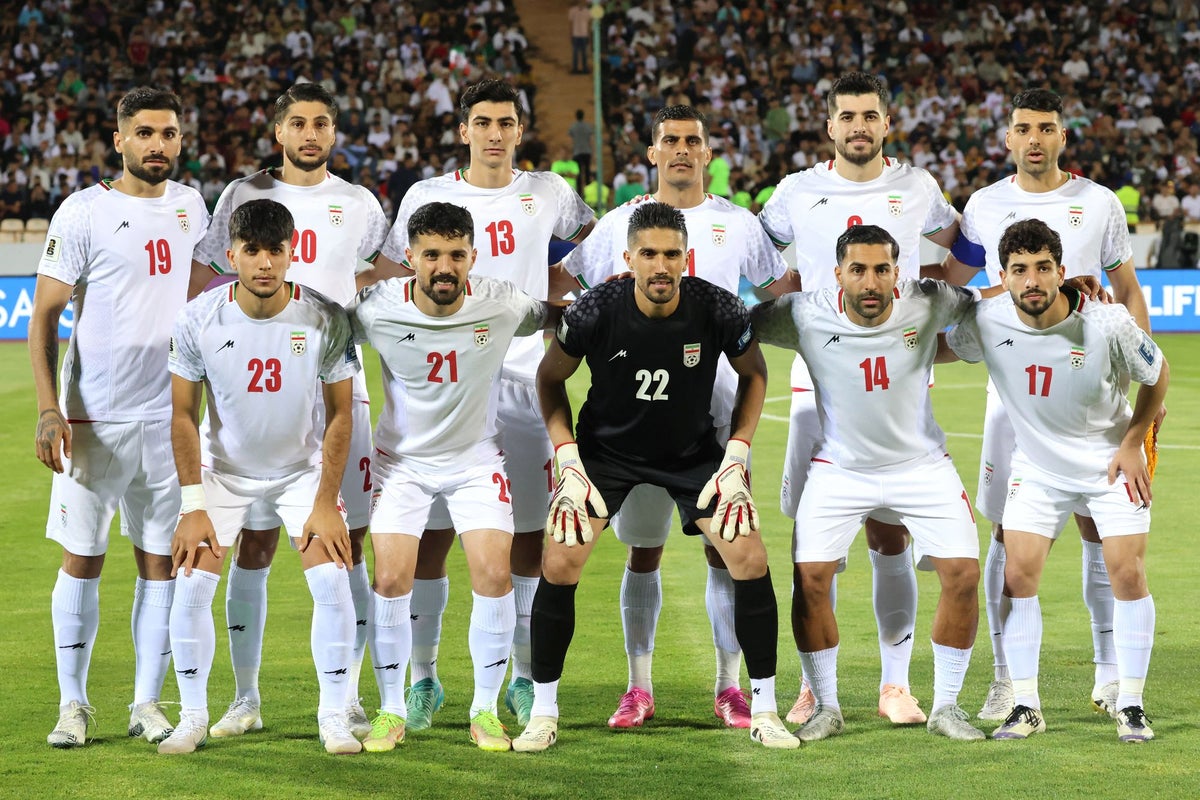
US Host Dilemma: Can Escalating Conflict Block Iran's Team?
The global spectacle of the FIFA World Cup is meant to transcend political divides, uniting nations through the universal language of football. However, as the 2026 men's tournament looms just three months away, an alarming geopolitical storm brewing in the Middle East threatens to cast a long shadow over one nation's participation. The core of this unprecedented dilemma revolves around whether escalating conflict could effectively jeopardize Iran's World Cup place, particularly given the United States' role as co-host.
Iran, a footballing powerhouse in Asia and a consistent presence on the global stage, finds its dream of competing in the US, Canada, and Mexico now entangled in a volatile situation. The prospect of Team Melli facing international blockage or choosing to withdraw has ignited fervent debate among fans, federations, and political observers alike. The stakes are incredibly high, not just for Iranian players and supporters, but for the integrity and spirit of the entire tournament.
The Geopolitical Storm Threatening Iran's World Cup Bid
The immediate catalyst for this precarious situation is a sudden and severe escalation of conflict in the Middle East. Reports indicate coordinated attacks by the US and Israel targeting Iran since Saturday, resulting in the deaths of Supreme Leader Ayatollah Ali Khamenei and several other senior officials. This aggressive action provoked a swift and forceful response from Iran, which reportedly launched missiles at US allies in the region, including 2022 World Cup host Qatar and Saudi Arabia, the designated host for the 2034 edition.
This rapid descent into conflict has sent shockwaves across the international community, raising urgent questions about its repercussions on all fronts, including sports. Mehdi Taj, Iran's top soccer official and a vice president of the Asian Football Confederation, voiced the profound concern emanating from Tehran. "What is certain is that after this attack, we cannot be expected to look forward to the World Cup with hope," Taj stated, encapsulating the gravity of the situation. This sentiment underscores the immense pressure on the state-backed Iranian Football Federation as they weigh their options amidst national mourning and heightened tensions.
For more detailed insights into the unfolding situation, you can read about Iran's World Cup Fate: Middle East Conflict Puts Participation in Doubt.
FIFA's Stance and the Unprecedented Challenge
In the face of such a complex and politically charged environment, the governing body of world football, FIFA, finds itself in an unenviable position. Since Saturday, FIFA has maintained a cautious silence beyond a statement from Secretary General Mattias Grafström, who confirmed the organization would "monitor developments around all issues around the world." This non-committal stance is typical for FIFA in times of geopolitical instability, but the scale of this particular conflict and its direct impact on a World Cup participant and host nation is largely unprecedented.
FIFA's statutes generally prioritize sporting merit and political neutrality. However, the prospect of a host nation potentially blocking a qualified team's entry or a participating nation refusing to send its team due to security concerns creates a legal and ethical minefield. What precedent would such a move set? How would it affect the competitive balance and the global image of the World Cup? The integrity of the tournament, which prides itself on uniting diverse nations, hangs in the balance. The international body must navigate a delicate path to uphold its principles while addressing undeniable political realities.
The sports world is eagerly awaiting more definitive statements from FIFA as the situation develops. You can stay updated on FIFA Monitors: Iran's World Cup Hopes Fade Amid Rising Tensions.
Potential Scenarios: Blockage or Withdrawal?
Two primary scenarios present themselves regarding Iran's World Cup place, each with profound implications:
- US Government Blocks Entry: As co-host, the United States possesses the sovereign power to deny visas or entry to any individuals or groups it deems a security risk. Andrew Guiliani, the White House's top official overseeing World Cup preparations, initially seemed dismissive of the issue on Saturday, stating, "We'll deal with soccer games tomorrow. Tonight, we celebrate their opportunity for freedom." While seemingly unconcerned then, the rapidly evolving conflict could force a reevaluation. Blocking an entire national team would be an extraordinary measure, likely sparking a major diplomatic incident and forcing FIFA into a highly visible intervention. It would also set a dangerous precedent for future tournaments where political tensions often simmer between participating nations and hosts.
- Iranian Federation Refuses to Send Team: Conversely, the state-backed Iranian Football Federation could decide to withdraw its team. This decision would likely be driven by concerns for player safety, national pride following the attacks, or as a political protest. While avoiding a direct confrontation with the US over entry, a withdrawal would carry its own set of consequences, including potential sanctions from FIFA, significant disappointment for players and fans, and the forfeiture of a highly anticipated tournament appearance.
Either outcome would present FIFA with a severe logistical and ethical challenge. If Iran were unable to participate, FIFA would need to consider if and how to replace them, potentially calling upon the next highest-ranked team from their qualification zone, or leaving a group spot vacant. Each option carries its own set of complications and would undoubtedly ignite further controversy.
Iran's Strong Footing and the Dream Deferred
Adding to the poignancy of this dilemma is Iran's formidable standing in international football. Ranked No. 20 in the FIFA world rankings out of 211 teams, and having consistently qualified for six of the past eight World Cups, Team Melli is not merely a participant but a genuine contender from Asia. Their current ranking places them ahead of many historically strong footballing nations, showcasing their consistent high performance on the pitch.
The draw for the expanded 48-nation tournament, held in Washington, D.C., had been particularly favorable for Iran. Despite Iranian officials like Mehdi Taj being denied visas to attend, the team found itself in a group with low-ranked New Zealand, one of the weaker top-seeded nations in Belgium, and Egypt. This lineup offered a strong chance for Iran to advance to the knockout rounds, especially in the new format where most third-place teams also progress. The prospect of these talented players being denied the opportunity to showcase their skills on such a grand stage, not due to sporting failure but geopolitical strife, is a bitter pill for many to swallow.
Practical advice for fans and stakeholders: It's crucial to rely on official announcements from FIFA, the US government, and the Iranian Football Federation. Speculation, while natural, can lead to misinformation. Keep an eye on the official FIFA channels for any updates regarding the status of participating teams.
Conclusion
The escalating conflict in the Middle East has thrust Iran's World Cup place into an unprecedented state of uncertainty. What should be a moment of sporting celebration now stands on the brink of becoming a stark illustration of how deeply geopolitics can intersect with global events. The decisions that lie ahead for FIFA, the United States government, and the Iranian Football Federation will not only determine the fate of Team Melli but also send a powerful message about the future relationship between international sport and political realities. As the clock ticks down to June 11th, the world watches with bated breath, hoping that the beautiful game can somehow find a path through this complex and dangerous dilemma.